
Practice
Digital Products
Research, design, and engineering for web and mobile products
A product is the sum of decisions nobody sees. We make them in one room, with the people who will ship them.
In detail
Product strategy
What the product is for, who it is for, and what it will refuse to do. The refusals are the part that takes the longest and the part that holds the build together six months later.
User research
Enough contact with real users to know which assumptions are load-bearing. We run it before the architecture is fixed, because that is the last point at which the answer can still change anything.
UI/UX design
Screens drawn against the real data, at the real density, in the real typeface. A design that has only been seen with placeholder content has not been seen.
Design systems
Components with their states, their edge cases and their motion specified in one place, and built once. The system is the handover document, and it is executable.
Prototyping
Interactions built in code rather than clicked through in a prototyping tool, because the thing being judged is how a gesture feels and no prototyping tool renders that honestly.
Front-end engineering
React and Next.js, typed end to end, with a frame budget the team actually measures against. Accessibility and performance are acceptance criteria, not a later pass.
Back-end engineering
The services behind the interface, designed by the people who built it. Data shapes follow the screens that consume them rather than the other way round.
API architecture
Contracts written before implementations, versioned from the first release, and documented where the people calling them will actually look.
Mobile (React Native)
One codebase where that is honest, and native where it is not. The decision is made per surface, on how the surface has to feel, not as a platform commitment.
Quality assurance
Tests at the level the risk lives: unit where the logic is dense, end-to-end where the money moves, and a real device lab for the paths that matter most.
Relevant work
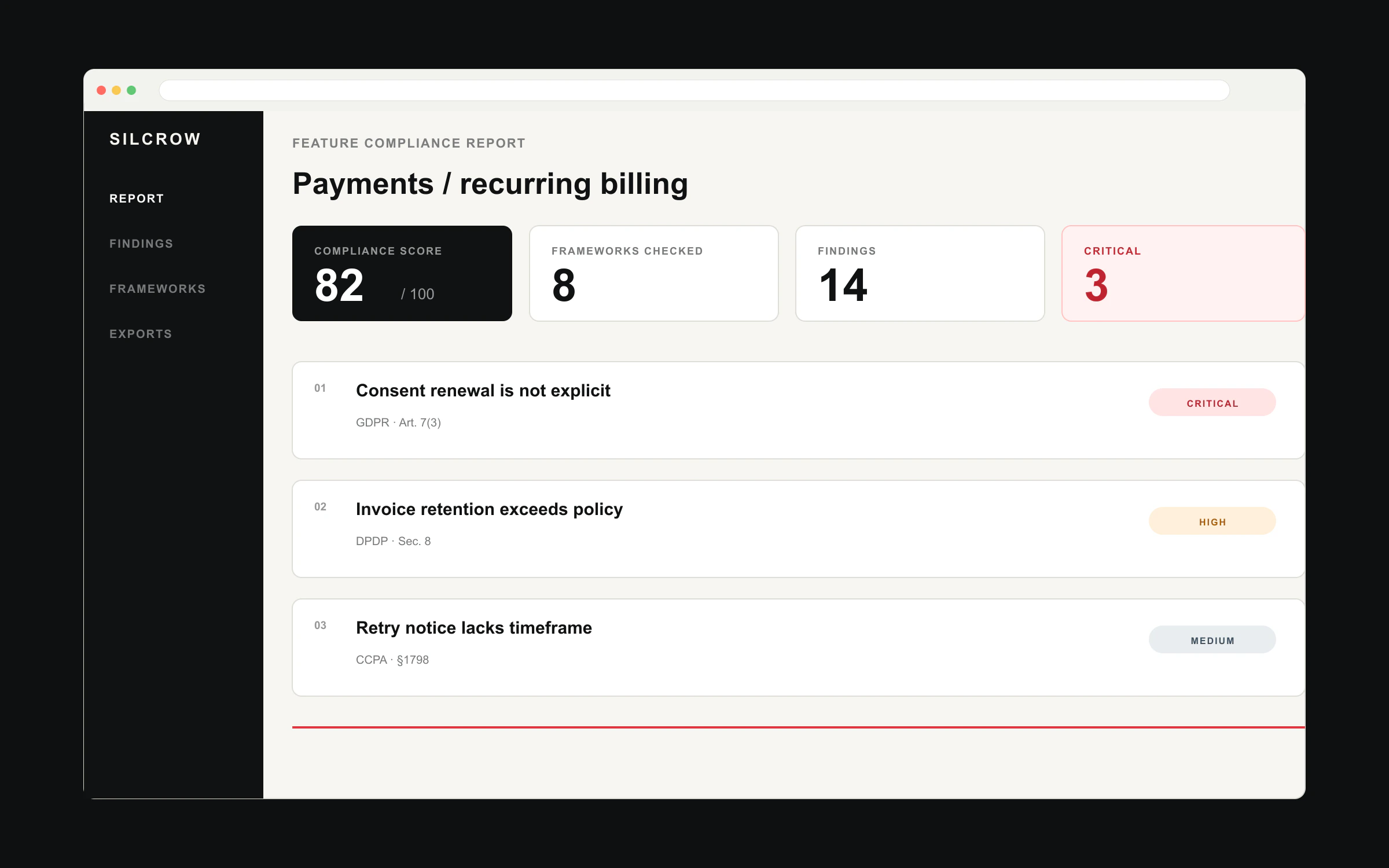

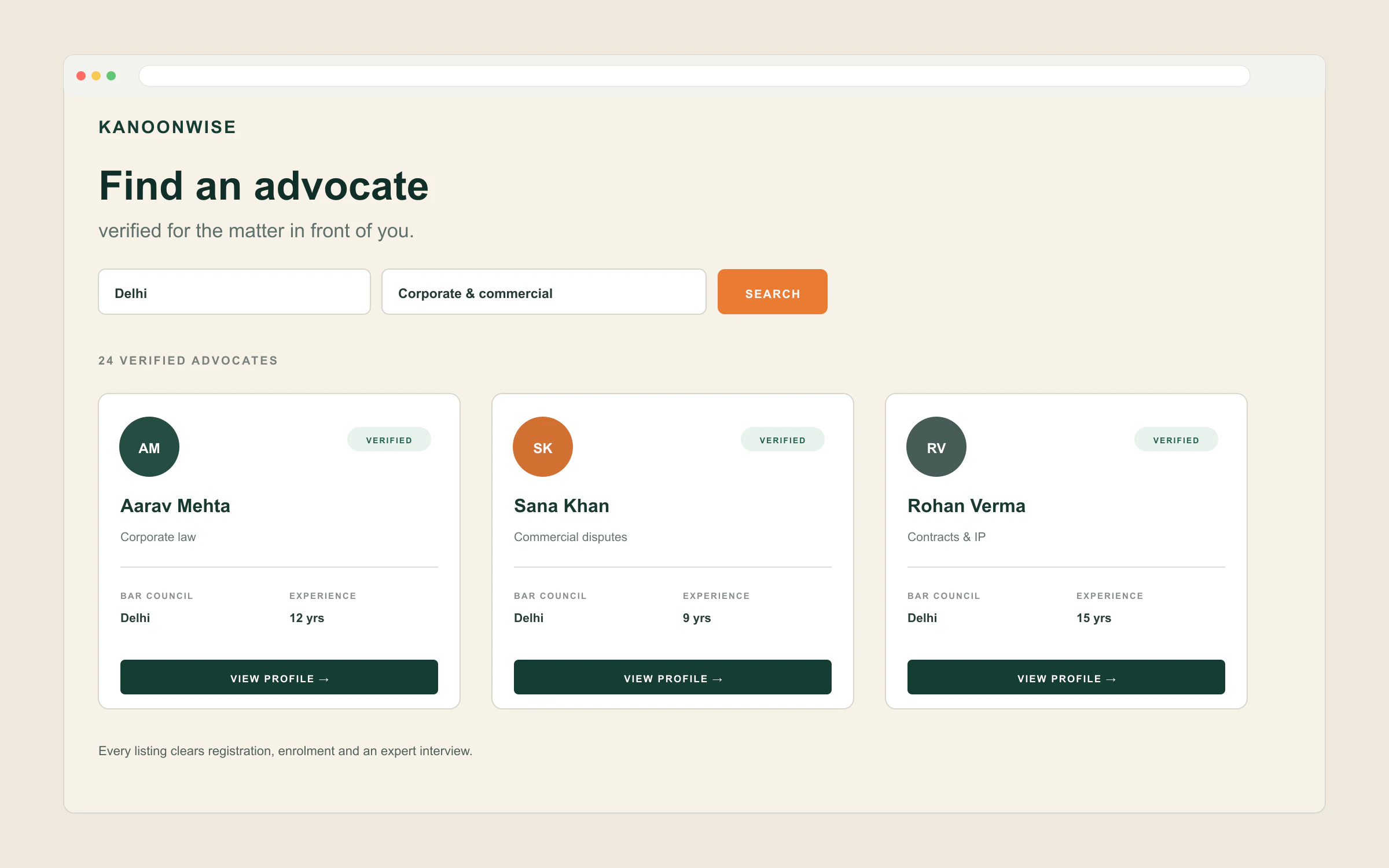
The way in.
We start with three questions: what are you building, who is it for, and what would make it remarkable. The practice, the scope, and the timeline follow from the answers — not the other way around.